
The Future of Energy Geopolitics
Energy has always been at the core of geopolitical strategy, but its role is now undergoing a profound transformation. The global shift toward new energy systems, combined with persistent dependence on traditional resources, is creating a complex and often contradictory landscape. This transition is not simply about replacing one source of energy with another; it is about redefining power itself.
ALL NEWSPOLITICS
The Future of Energy Geopolitics
Energy has always been at the core of geopolitical strategy, but its role is now undergoing a profound transformation. The global shift toward new energy systems, combined with persistent dependence on traditional resources, is creating a complex and often contradictory landscape. This transition is not simply about replacing one source of energy with another; it is about redefining power itself.
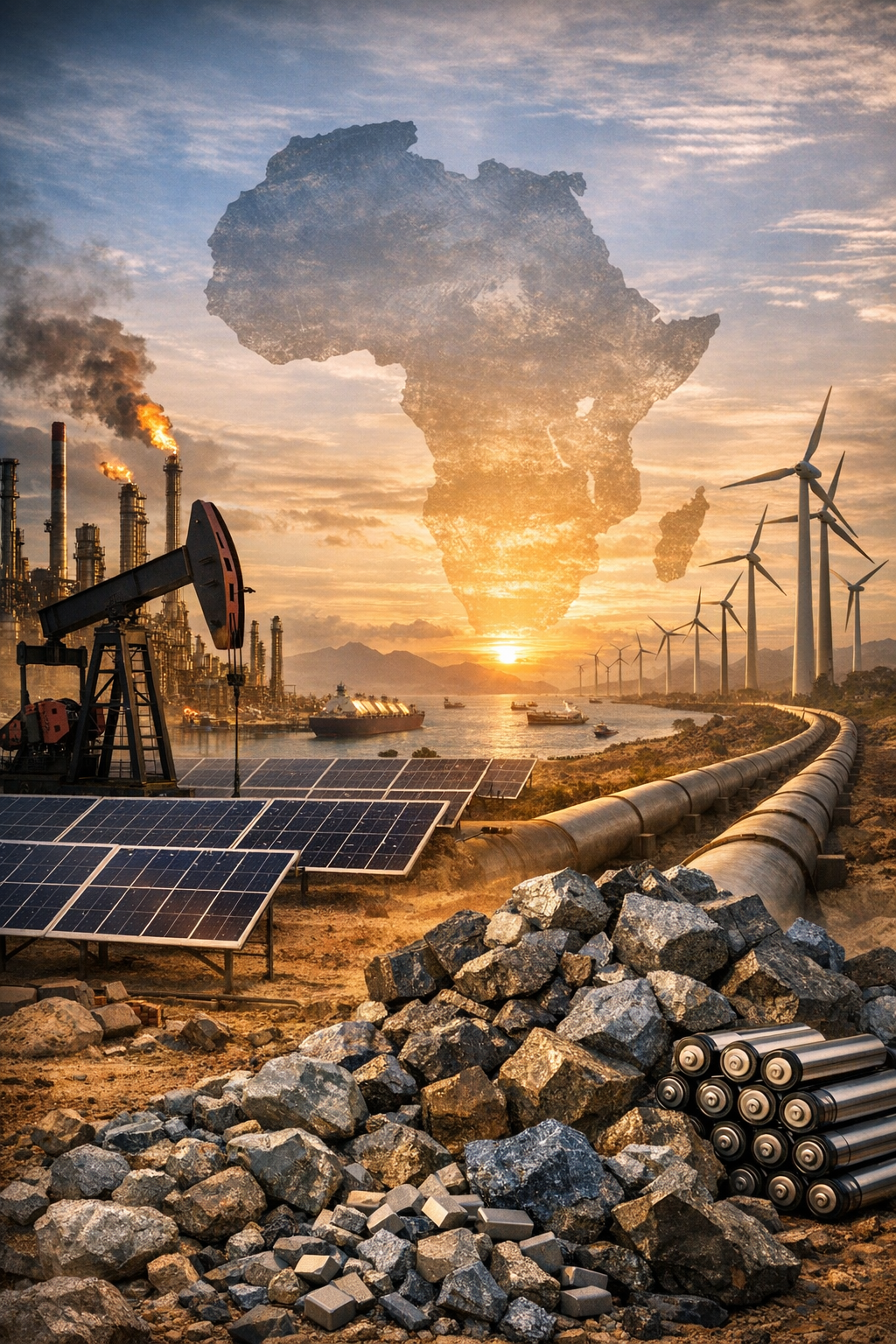
For decades, geopolitical influence was closely tied to the control of oil and gas reserves. Countries with abundant fossil fuel resources held strategic leverage, while those dependent on imports were structurally vulnerable. This dynamic shaped alliances, conflicts, and global economic structures. Today, while these resources remain critical, their dominance is being challenged by emerging energy technologies and shifting policy priorities.
The rise of renewable energy is often presented as a pathway to decentralization. Solar, wind, and other renewable sources have the potential to reduce dependence on centralized supply systems and create more distributed energy networks. In theory, this could democratize energy access and reduce the geopolitical tensions associated with resource concentration.
However, the reality is more complex. Renewable energy systems rely heavily on critical minerals such as lithium, cobalt, and rare earth elements. The extraction, processing, and control of these materials are becoming new sources of geopolitical competition. In many cases, the concentration of these resources in specific regions is creating new dependencies rather than eliminating them.
At the same time, traditional energy sources are far from obsolete. Oil and gas continue to play a central role in global energy consumption, and their strategic importance remains intact. In fact, in periods of transition, their value can increase due to supply uncertainty and market volatility. This creates a dual system in which old and new energy paradigms coexist, often reinforcing rather than replacing each other.
Energy corridors and infrastructure are also evolving into critical strategic assets. Pipelines, shipping routes, and electricity grids are not merely logistical elements; they are instruments of influence. Control over these systems allows states to project power, shape markets, and exert pressure without direct confrontation.
Another emerging dimension is energy security in the context of technological dependence. As energy systems become more digitized, they also become more vulnerable to cyber threats. The ability to disrupt energy infrastructure through digital means introduces a new layer of risk, where conflicts can occur without physical engagement but with significant real-world consequences.
Climate policy further complicates the geopolitical landscape. International commitments to reduce emissions are influencing national strategies, investment flows, and regulatory frameworks. However, these commitments are not uniform, and differences in priorities and capabilities create friction. For some countries, the transition represents an opportunity for leadership; for others, it poses economic and political challenges.
Developing regions are particularly affected by these dynamics. On one hand, they possess many of the resources required for new energy systems. On the other, they face significant barriers in terms of infrastructure, financing, and technology transfer. The way these challenges are addressed will have long-term implications for global equity and stability.
Private sector actors are also playing an increasingly influential role. Energy companies, technology firms, and investment funds are shaping the direction of the transition, often operating across national boundaries. Their decisions can influence markets and policies at a scale comparable to that of states.
In this evolving context, energy geopolitics is no longer defined by a single resource or region. It is a multidimensional system where technology, resources, infrastructure, and policy intersect. The countries and institutions that can navigate this complexity—balancing traditional strengths with new opportunities—will define the future balance of power.
Ultimately, the transition in energy systems is not just an environmental or economic issue; it is a strategic transformation. It will determine not only how energy is produced and consumed, but also how power is distributed and exercised in the decades to come.
— International Affairs NewsPaper™


Summary and Closing
Africa’s strategic rise and the transformation of global energy systems are converging into a single narrative of power redefinition. The continent stands at the intersection of resource wealth, demographic momentum, and technological innovation—an axis where the future of energy and geopolitics will be decided. As traditional and renewable paradigms coexist, Africa’s ability to assert sovereignty, manage partnerships, and lead in sustainable development will determine not only its own trajectory but the balance of global influence in the decades ahead. The new era of power will be shaped not by possession alone, but by vision, adaptation, and strategic autonomy.
→ All News

